

Why are CIOs turning to neurodiverse teams for productivity, quality and innovation?
Across Australia’s technology sector, CIOs and IT managers are under pressure to deliver outcomes faster, with higher volume, more securely, and with fewer resources. As organisations search for new levers of productivity, one of the most consistently underutilised opportunities is neurodiversity. Neurodivergent professionals bring cognitive strengths that map directly to the demands of modern IT environments: pattern recognition, sustained focus, systems thinking, error detection and creative problem-solving.
Yet despite this alignment, neurodivergent talent remains dramatically underrepresented in the workforce. According to the Australian Bureau of Statistics, autistic Australians experience an unemployment rate of 18.2%, almost six times the rate of people without disability (ABS Autism in Australia, 2022). For CIOs, this represents not only a social inequity but a missed strategic advantage.
Productivity and quality gains
A growing body of research shows that neurodiverse teams outperform traditional teams in key areas of IT delivery.
Deloitte’s analysis of neurodiversity programs found that organisations reported productivity improvements, quality gains and increased innovation when neurodivergent technologists were integrated into well-supported teams1.
The 2023 Neurodiversity in Business Research Report shows that while 92% of employers have a DEI policy, only 22% have a neurodiversity-specific policy, highlighting how early adopters can gain a competitive edge2.
These findings align with what many CIOs observe anecdotally: neurodivergent professionals often excel in software testing, cybersecurity analysis, data quality, automation, and complex systems engineering, areas where precision and pattern-based reasoning are essential.
Innovation through cognitive variety
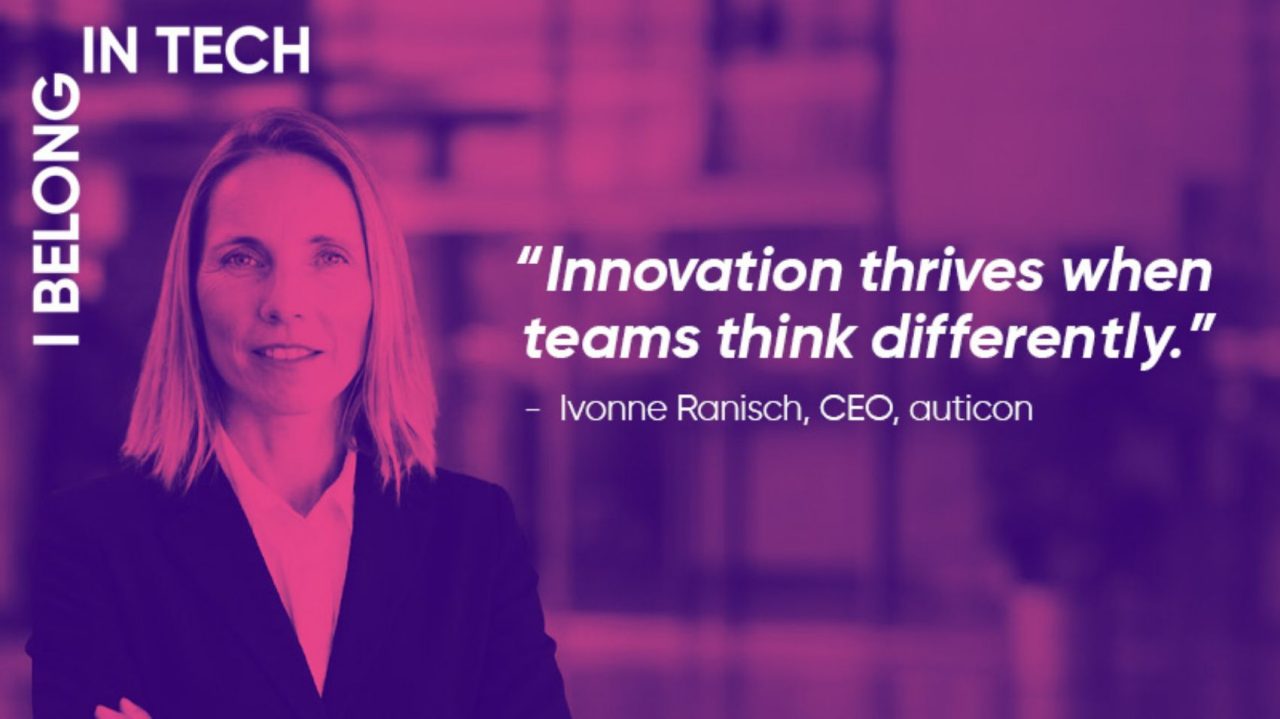
Innovation thrives when teams think differently. Neurodivergent professionals frequently bring nonlinear thinking, unconventional problem-solving, and the ability to identify risks or opportunities others miss. Deloitte’s research emphasises that neurodiversity is not simply a workforce inclusion issue but a business performance strategy, with cognitive diversity driving better decision-making and more resilient systems.
For CIOs navigating AI adoption, cloud transformation and cybersecurity escalation, this diversity of thought is not a ‘nice to have,’ it’s a strategic necessity.
Cultural and team benefits
Ever heard the saying, “culture eats strategy for breakfast”? Meaning all organisations, if they want to implement a successful strategy, they first need to focus on culture.
To create a more neuro-inclusive workplace, organisations need to first focus on better communication. Better communication then leads to a stronger, more productive culture. When organisations implement structured communication, clearer processes and more predictable workflows to support neurodivergent employees, these adjustments benefit everyone.
Organisations that have done this report that teams experience reduced ambiguity, more consistent documentation, better sprint planning and retrospectives and higher psychological safety.
This is the bedrock of what high-performing cultures are built on.
Reducing turnover and increasing engagement
Retention is a growing challenge in IT, with competition for skilled technologists intensifying. Neurodivergent employees, when supported appropriately, often demonstrate strong loyalty, deep subject matter expertise and long-term commitment. This stability reduces recruitment churn and preserves institutional knowledge, two major cost centres for CIOs.
Building a neurodiverse team: Where to start
CIOs and IT managers can begin unlocking these benefits through a few practical steps:
- Redesign hiring processes to reduce reliance on traditional interviews and instead use work-sample tests or job-relevant assessments.
- Provide clarity, work on a no-surprises basis, setting clear expectations, structured communication and predictable workflows.
- Partner with specialist organisations such as auticon that support neurodivergent technologists and help teams adopt inclusive practices.
- Invest in neuro-inclusion training to build confidence and capability across leadership and delivery teams.
These are not large-scale transformations; they are targeted operational improvements that deliver measurable returns.
Find the support you need on your neurodiversity journey, visit auticon.
Dr Ivonne Ranisch, CEO and Managing Director, auticon Australia
Ivonne Ranisch has been working for auticon as the Director of Social Impact since 2020, before being appointed as CEO in 2025. Her passion is making workplaces more diverse and inclusive.
Ivonne is focused on understanding diversity in a business context and works hard at creating awareness about the value autistic employees can bring to business and delivering auticon’s mission, which is to improve the employment prospects of autistic people through:
- Providing high-quality careers for skilled autistic adults
- Shifting perceptions in the workplace by placing Consultants into client teams
- Acting as a catalyst for clients to bring more neurodiversity to their wider workforce